
Why BNPL is essential for online travel bookings

Research suggests that 44% of shoppers admit they would have abandoned their cart without interest-free instalment options. In the travel industry, where high-ticket purchases are the standard rather than the exception, the demand for flexible payment methods has reached a critical tipping point.
While Buy Now, Pay Later (BNPL) initially transformed the fashion and electronics sectors, it is perhaps more perfectly suited to travel than any other industry. With typical family holidays costing between £1,500 and £5,000, the ability to spread the cost is often the deciding factor in whether a browser becomes a booker. For merchants, the rewards are clear. Businesses offering BNPL often see 20-30% conversion lifts and 20-40% increases in Average Order Value (AOV) .
This article outlines why BNPL is essential for modern travel brands and how to deploy a multi-provider strategy for maximum impact.
Why BNPL is perfect for the travel industry
The travel sector deals with significant psychological and financial barriers that BNPL is uniquely positioned to solve. High AOVs are the primary hurdle.
Whether it is a £3,000 long-haul package or a £1,500 last-minute luxury break, paying the full amount upfront is a major psychological barrier, even for customers who have the funds available. Instalments make these luxury experiences accessible by breaking a daunting lump sum into manageable monthly payments.
The advance purchase timeline of the travel industry also creates a natural friction point. When a customer books a holiday six to nine months in advance, they are paying a significant sum for a benefit they won't receive for half a year. Paying in full today for a future value often creates resistance. Monthly payments align much better with the countdown to a holiday, making the purchase feel like a gradual investment rather than a sudden loss of capital.
Furthermore, BNPL drives impulse bookings by creating unexpected opportunities. A traveller browsing a bucket list trip might be spurred into action if they see they can secure the Maldives for £250 a month rather than £3,000 today. This appeals to the cash flow preferences of modern consumers, particularly Millennials and Gen Z, who represent the industry's prime demographics. By preserving their savings and spreading the cost across pay periods, travellers can budget more effectively without accruing traditional credit card debt. The UK BNPL market is projected to reach £54.6bn by 2029 , and travel is already a top-three use case.
The impact of BNPL
The impact of offering flexible payments is not just anecdotal; it is highly measurable. Beyond the 20-30% lift in conversion, BNPL can reduce cart abandonment by up to 35% , particularly for bookings over £1,000.
The impact on AOV is equally significant. When affordability is improved, customers are more likely to "trade up." This might mean moving from a standard room to a suite or extending a three-night trip to five nights, because the incremental monthly cost is relatively small.
Consider a mid-sized travel company processing 10,000 bookings a month at an average value of £1,800. If adding BNPL results in a 20% conversion lift and a 30% AOV increase on those transactions, the total monthly revenue impact could exceed £5m. Even after merchant fees, the net benefit remains substantial as the improved conversion significantly offsets the cost of acquisition.
The multi-provider strategy
Relying on a single BNPL provider is a common mistake that leaves revenue on the table. Different providers appeal to different segments, and brand preferences vary widely.
Klarna (Pay in 3) is the market leader in the UK and carries immense brand recognition with younger travellers. Its interest-free three-payment split is ideal for bookings between £300 and £1,500.
PayPal Pay in 3 leverages PayPal's massive presence in the UK, where it accounts for 20% of online transactions. It is a high-trust option, particularly for older demographics who are already comfortable using their PayPal accounts.
Finally, a provider like Humm (or similar monthly instalment services) is essential for high-value bookings exceeding £2,000. These providers offer longer repayment terms, making long-haul luxury holidays accessible to a broader audience.
The strategic goal is to offer a mix. Short-term BNPL serves impulse bookings and weekend breaks, while monthly instalments cater to planned family holidays and high-value packages. By presenting these choices clearly at checkout, you can ensure you are serving all customer types.
Best practices and optimisation
For BNPL to be effective, it must be visible long before the checkout page. Product pages should display the monthly cost alongside the full price, as specific numbers like 'From £195/month" perform significantly better than generic messages.
Mobile optimisation is also critical, as most BNPL users are mobile-first. Merchants should ensure that BNPL flows are mobile-native and touch-friendly, testing the experience within the provider's apps to ensure there is no friction. Customer education is equally important. Many travellers still do not fully understand how BNPL works, so providing a clear FAQ section addressing payment dates, cancellation policies, and credit check requirements is essential.
Merchants should monitor ongoing performance, tracking conversion and approval rates by provider to see which performs best for their specific customer base. Note that BNPL regulation is increasing in the UK; stay ahead of compliance by ensuring clear terms and responsible lending messaging are always displayed.
Common pitfalls to avoid
One of the most frequent errors is hiding BNPL until the final payment screen. If a customer doesn't know flexible options are available during the research phase, they may never reach the checkout. Early visibility primes the customer to book.
Another major mistake is ignoring the complexities of refunds and amendments. Travel bookings are frequently changed or cancelled, so customer service teams must be trained on how to handle BNPL-specific refund scenarios to avoid friction.
Finally, many merchants fail to market their BNPL capability. Flexible payments are a competitive advantage; using them in ads and email campaigns with messages like "Book your dream holiday from £X/month" can be a powerful driver of new traffic.
The future of BNPL in travel
The landscape is evolving toward greater regulation and consolidation. As the Financial Conduct Authority (FCA) introduces more oversight, established and compliant providers will gain an advantage. We are also seeing the emergence of BNPL integrated with loyalty programs and open banking-based instalment options. As the market matures, travel-specific BNPL products may emerge, offering even better alignment with the industry's unique booking cycles.
BNPL is no longer an optional add-on for the travel industry. With the potential for significant AOV growth, and 44% of shoppers willing to abandon a purchase if it’s unavailable, it is a core revenue lever.
A successful strategy requires a multi-provider approach, a focus on mobile optimisation, and early visibility throughout the customer journey. Implementation typically takes several days to several weeks, but the impact on conversion and customer loyalty will last for years.
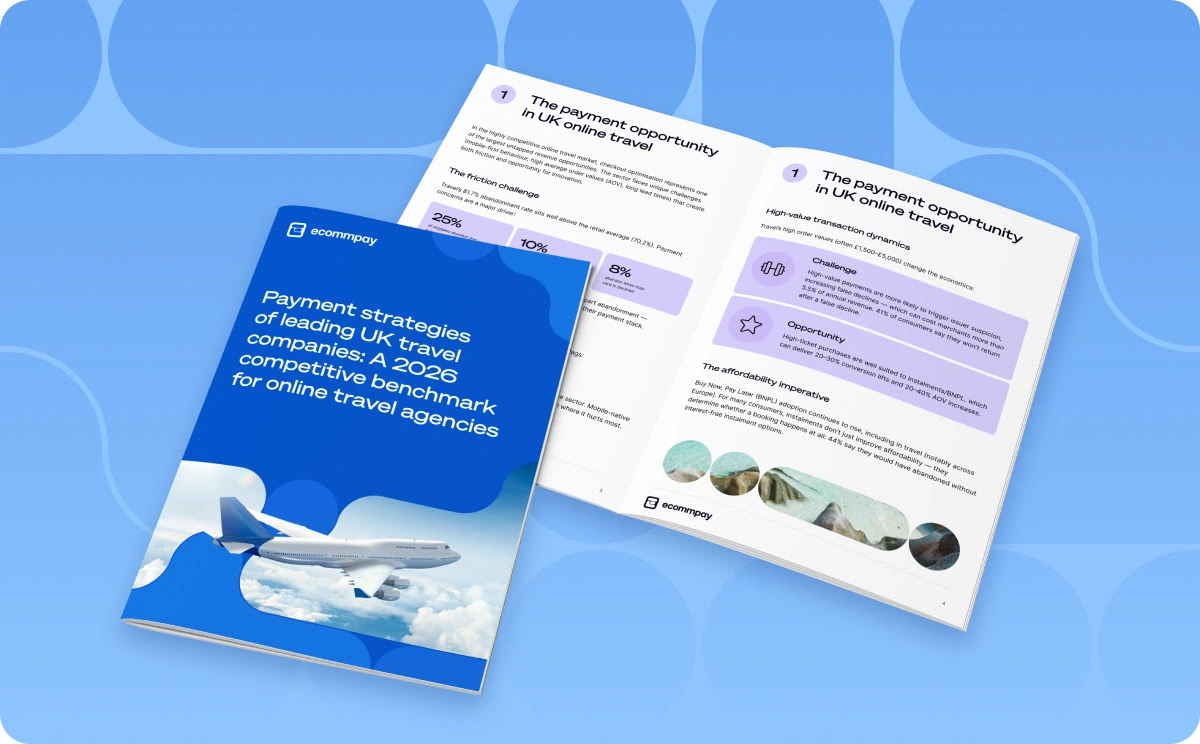
See how leading UK travel companies are deploying BNPL strategies. Our competitive benchmark provides complete payment method analysis across the top UK travel providers.