



How Click to Pay can benefit merchants
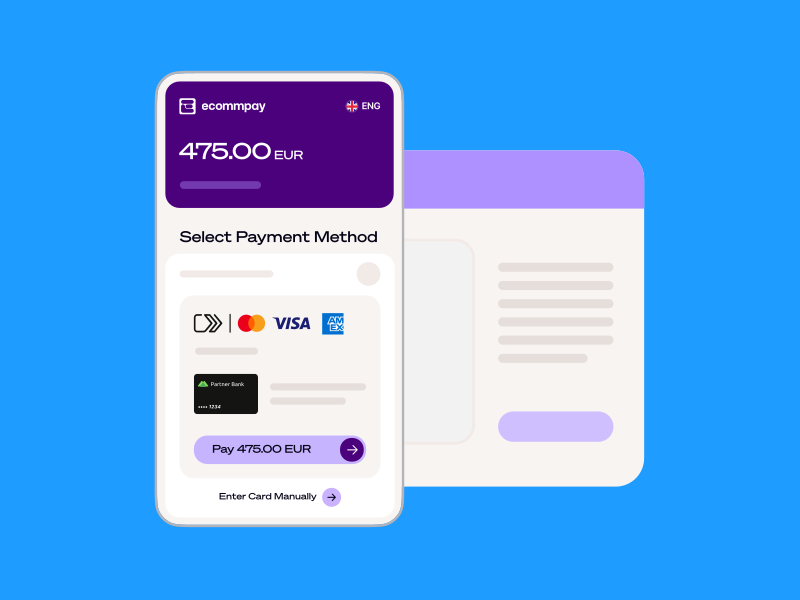
Merchants face three core checkout challenges: low approval rates, high cart abandonment, and rising fraud. While digital wallets such as Apple Pay and Google Pay have long offered a solution, Click to Pay further bridges the gap by offering a device-agnostic wallet that eliminates traditional card entry.
What is Click to Pay?
Click to Pay is a scheme-agnostic digital wallet solution based on the EMVCo standard, the same body behind the secure chip technology in physical bank cards. Supported by major networks like Mastercard, Visa, and American Express, it mirrors the speed and convenience of a contactless in-store transaction in an online setting. Customers are recognised and presented with their saved cards within your checkout, resulting in an average 3% increase in approval rates and a 40% reduction in checkout time.
Unlike proprietary wallets that may require specific hardware (such as an iPhone for Apple Pay), Click to Pay provides a unified interface that works across devices and browsers. This inclusivity is particularly relevant for the UK and EU markets, where Android and Windows usage remains significant alongside the Apple ecosystem.
To understand the security framework behind Click to Pay, it is essential to first understand tokenization.
A brief note on tokenization
Tokenization is the process of replacing sensitive data, such as a 16-digit primary account number (PAN), with a unique string of random characters known as a token. This ensures that if a transaction is intercepted or a database is breached, the stolen data is essentially useless to criminals.
Click to Pay takes this a step further with network tokenization, ensuring data is encrypted from the merchant all the way to the issuer, rather than just to the payment processor.
The benefits of Click to Pay for merchants
Implementing Click to Pay offers more than just a faster checkout button; it addresses fundamental operational challenges.
1. Higher approval rates
One of the most significant advantages for merchants is the uplift in transaction approval rates. In a standard transaction, if a customer loses their card or it expires, a saved card transaction will fail. However, with network tokenization, the token remains valid even if the underlying physical card details change. The issuer automatically updates the mapping in the background, preventing false declines.
In our recent webinar, Mark Schropfer from Mastercard revealed that European merchants utilising network tokens can see an approval rate uplift of up to 7 percentage points. For high-volume merchants, this recovery of otherwise lost revenue is substantial.

2. Enhanced security layers
While tokenization handles the data, authentication handles the user. Click to Pay integrates seamlessly with 3D Secure, providing an extra layer of protection where cardholders verify their identity with their bank. Furthermore, the system often utilises two-factor authentication (2FA), sending a verification code to the user's phone or email before a transaction can proceed.
Crucially, because the merchant only handles a token rather than the raw PAN, the risk of "over-the-shoulder" fraud (when someone copies down your card number in the physical world) and keylogging (where malware is installed on a device that can record data being entered on the keyboard) is mitigated.
This layered approach reduces the merchant's risk profile, though it is important to note that merchants must still maintain PCI compliance .
3. Reduced cart abandonment
Friction is the enemy of conversion. Traditional checkouts that require manual card detail entry or force users to choose between multiple "Buy Now" buttons can lead to decision fatigue.
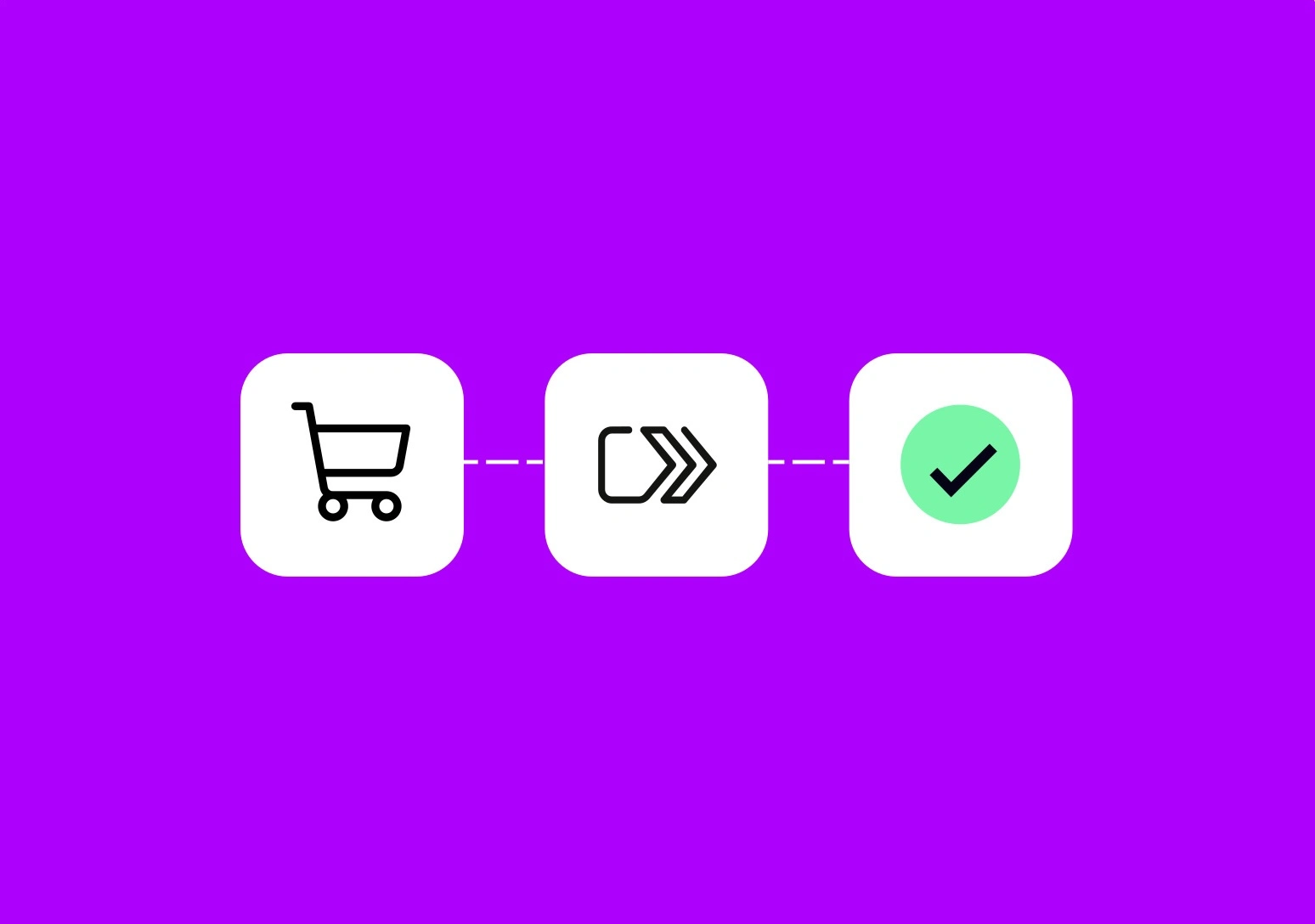
Click to Pay utilises automated recognition. When a recognised user lands on the checkout page, their encrypted card details are pulled through automatically, allowing them to simply click and pay. This is particularly effective in high-volume sectors like retail, where transaction speed is critical to customer satisfaction.
Click to Pay vs. traditional digital wallets
A common question from merchants is how Click to Pay differs from established players like Apple Pay or Google Pay. The key differentiator is inclusivity.
While Apple Pay and Google Pay are excellent solutions, they often rely on specific operating systems or browsers. Click to Pay is device and browser-agnostic. Whether a customer is using an iPad, a Windows laptop, or a Huawei device, the experience remains consistent. Crucially, Click to Pay is not designed to compete with these wallets but to coexist with them, filling the gaps in coverage to ensure every customer has a "one-click" option.
Implementation and costs
For merchants considering adoption, the practicalities are straightforward but require attention to detail.

Looking ahead, the roadmap for Click to Pay includes support for recurring payments - a vital update for subscription-based businesses - and the integration of biometric "passkeys" to further enhance security.
For merchants in the UK and EU, Click to Pay offers the conversion power of a frictionless checkout and the security of tokenization, without the exclusivity of device-specific wallets.